RenterFriendly.comTM
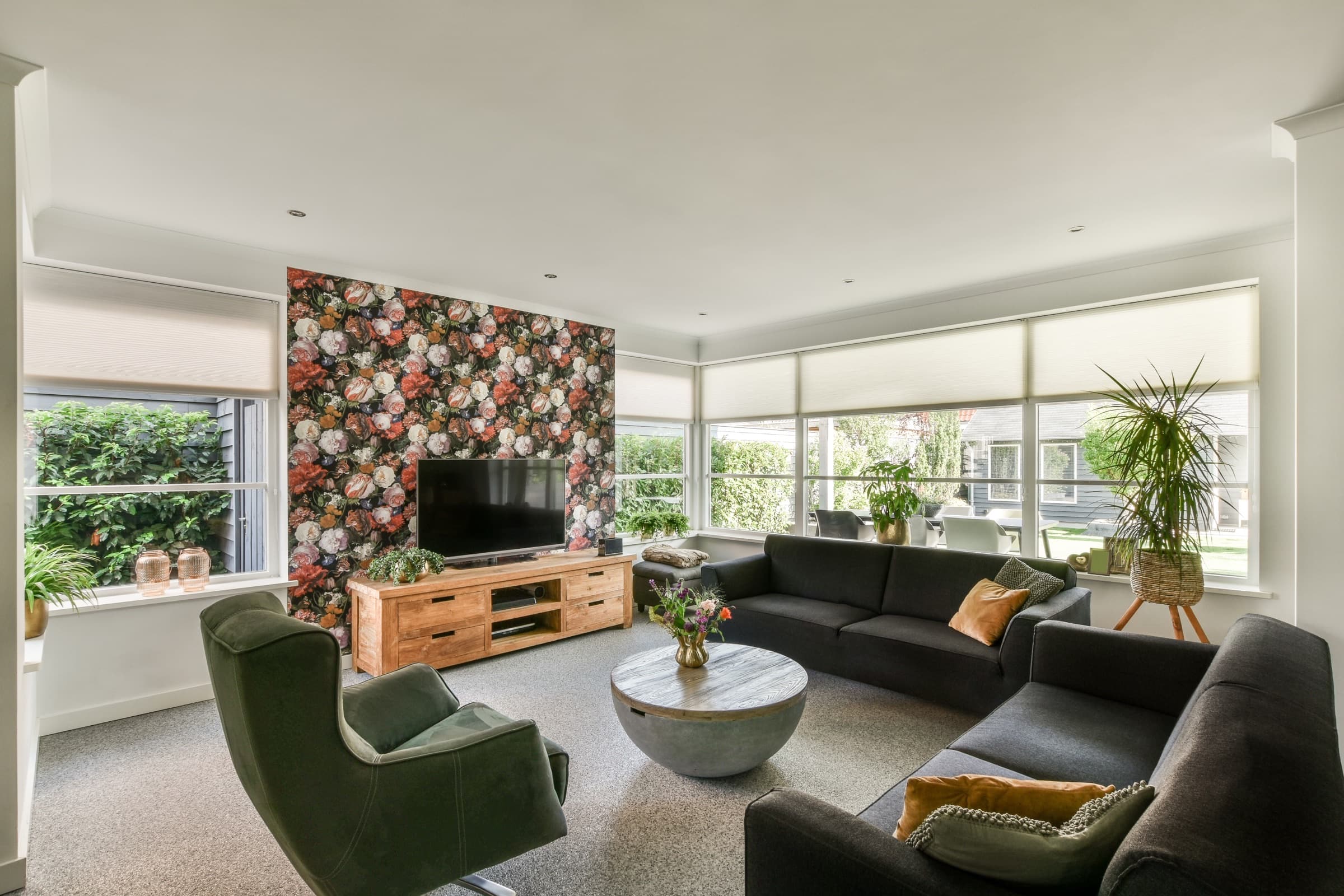
Renter-friendly floral peel-and-stick wallpaper on a living room accent wall behind a wall-mounted TV

Renter-friendly ideas

Wallpaper

Temporary wallpaper ideas for renters who want impact without commitment.

11 ideas · each rated for deposit risk

Renter-friendly wallpaper is the fastest way to make your apartment or rental home feel more like yours without damaging the walls underneath. And more renters than ever before are using this amazing renter-friendly hack spruce up their spaces. Searches for "renter friendly wallpaper" hit roughly 16,000 last month, up about 20% over the past year and 50% in the last quarter alone, as a new generation of long-term renters looks for ways to decorate their spaces with temporary solutions that make a big impact. And we understand why! Installing renter-friendly wallpaper to your wall costs you a weekend of time, instead of costing you your security deposit.

The catch is that not all "removable" wallpaper is removed the same way. The deposit risk lives in the details, which include the adhesive, the surface you put it on, and how long it stays up. Peel-and-stick on a smooth, fully cured wall usually comes off in clean sheets. The same product on fresh paint, textured drywall, or a wall it has gripped for three years can lift primer with it, and that is exactly the kind of patch-and-paint charge a lease lets a landlord pass on to you. Renter-friendly does not mean risk-free; it means reversible when you do it right.

Keep that in mind as you browse everything below. We pulled the wallpaper ideas that renters actually love and we tested them against one question: when you move out, does it damage your wall? Every idea in the grid is hand-picked from real creators on TikTok, Instagram, and YouTube, and tagged with a deposit-risk level so you can tell a true peel-and-stick project from one that needs a landlord conversation first. Browse the looks, read the tradeoffs, and pick the approach that fits your wall, your lease, and your move-out date.

How we rate: every idea gets a deposit-risk level so you know what’s reversible. See our method →

How to choose renter-friendly wallpaper

There is no single "renter-friendly wallpaper." There are four common approaches, and the right one depends less on the design than on your wall and your lease. Here is how they trade off on deposit risk, effort, and the kind of surface each one actually likes.

01Low deposit risk

Peel-and-stick wallpaper

The default for renters, and for good reason. Peel-and-stick is a self-adhesive vinyl that needs no paste, no water, and no tools beyond a smoothing card. On a smooth, cured, satin-or-semigloss wall it goes up in panels and peels off in panels, with no residue and no primer lift. The tradeoffs: it fights textured walls and flat or fresh paint (wait at least four weeks after painting), and a large feature wall takes patience to keep seams aligned.

Best for: accent walls, alcoves, and anyone who wants the most reversible option on the board.

02Medium deposit risk

Pre-pasted & traditional removable

"Removable" traditional wallpaper, including pre-pasted styles you activate with water, gives you a wider design range and a more seamless, papered finish than vinyl. The cost is reversibility: the paste bonds to the wall, and removal means soaking, scoring, and scraping. On rental drywall that can mean lifting paint, so this is the one approach where a quick text to your landlord before you start is worth it.

Best for: renters with permission, longer leases, or a look that peel-and-stick can’t match.

03Low deposit risk

Adhesive sheets & contact paper

Contact paper and adhesive sheets are the small-surface workhorse: cut-to-fit vinyl for shelf backs, stair risers, a half-bath accent, or the inside of a bookcase. Cheap, endlessly patternable, and forgiving on non-porous surfaces like laminate, tile, and sealed wood. The tradeoff is scale: it shows seams across a full wall and is happier on furniture and nooks than on a 9-foot feature wall.

Best for: renters who want a high-impact detail without committing a whole room.

04Low deposit risk

Wall decals & murals

The lowest-commitment option: pre-cut decals, peel-and-stick murals, and single motifs that add pattern without covering an entire wall. They reposition during install, come off in seconds, and suit nurseries, rentals with textured walls that defeat full wallpaper, and anyone testing a look before going bigger. The tradeoff is coverage: decals decorate a wall rather than transform it.

Best for: fast, fully reversible personality.

The quick rule: smooth wall and want maximum reversibility → peel-and-stick. Small surface or furniture → contact paper. Textured wall or commitment-shy → decals. Seamless, high-end finish and you have permission → traditional removable.

Free Renter’s Decor Toolkit

Renter-safe, deposit-friendly ideas, plus our toolkit, straight to your inbox.

No spam. Unsubscribe anytime.

Renter-friendly wallpaper FAQ

Is peel-and-stick wallpaper removable?
Yes, that is the whole point of it. Peel-and-stick wallpaper is made to come off without paint, paste, or special tools, which is what makes it renter-friendly in the first place. On a smooth, fully cured painted wall it usually peels away clean after months or even years. The trick is removing it slowly and at a low angle. Warm any stubborn sections with a hair dryer to soften the adhesive, and it should release without taking paint or leaving residue.
Is wallpaper renter-friendly?
The right kind is. Peel-and-stick wallpaper, contact paper, and wall decals are all designed to be temporary, reversible, and damage-free on the surfaces they are meant for. Traditional pasted wallpaper is the exception, since it is harder to remove cleanly and can lift paint, so it carries more deposit risk. Match the product to your wall, test a small hidden patch first, and check your lease before any install that is harder to undo.
Will peel-and-stick wallpaper damage walls?
Usually not, when it is applied and removed correctly. On a smooth, fully cured wall painted in satin or semigloss, quality peel-and-stick peels off cleanly with no residue. It is more likely to lift paint on flat or freshly painted walls, on textured drywall, or after several years up. Wait at least four weeks after painting before applying, remove it slowly at a low angle, and warm stubborn sections with a hair dryer to stay on the safe side.
How do I remove peel-and-stick wallpaper without damage?
Start at a top corner and pull slowly downward at a shallow angle, keeping the strip close to the wall rather than yanking it outward. If a section resists, warm it with a hair dryer to soften the adhesive, then keep peeling. Going slow is what prevents lifted paint, since most damage comes from rushing. If any residue is left behind, a little warm soapy water or an adhesive remover usually lifts it. Work one strip at a time.
Do I need landlord approval for peel-and-stick wallpaper?
Most leases do not specifically mention removable wallpaper, but some include broad clauses about alterations. Because peel-and-stick is fully reversible, many renters treat it like removable decor rather than a permanent change. The safe move is to skim your lease, and if you are unsure, send a short written note describing it as temporary and removable. Either way, take photos of the wall the day you move in, since that is your best evidence it came back unchanged.
What is the best peel-and-stick wallpaper for renters?
It depends on your wall and how long you plan to keep it up. Look for products labeled removable or repositionable, with reviews that specifically mention clean removal. Thicker, fabric-backed papers tend to peel off more cleanly than thin vinyl, which can stretch or tear. Browse the renter-tested ideas above to see which patterns and brands real renters have used successfully, and always order a sample to test on your own wall before committing to a full room.
How long can peel-and-stick wallpaper stay up?
Most peel-and-stick wallpaper can stay up for several years, but the longer it is applied, the more the adhesive cures to the wall and the more careful removal becomes. For a multi-year lease that is usually fine, as long as you plan to warm and peel slowly at move-out. If you like to change your space often, shorter applications come down even more easily. Heat and humidity shorten the window for clean removal, so bathrooms and sunny walls are higher risk.
Can I use peel-and-stick wallpaper on textured walls?
It is possible but riskier, since adhesive needs full, smooth contact to hold. Lightly textured orange-peel walls may grip well enough, while heavy knockdown or popcorn texture causes poor adhesion, bubbling, and a higher chance of pulling paint on removal. If your walls are textured, test a generous patch first and watch the edges for lifting. Wall decals are far more forgiving on rough surfaces, and some renters mount smooth peel-and-stick on a lightweight board and lean it instead.
Is removable wallpaper the same as peel-and-stick?
Not exactly. Peel-and-stick is one type of removable wallpaper, the self-adhesive kind you press straight onto the wall. Removable wallpaper is the broader category that also includes pre-pasted papers, which activate with water, and low-tack adhesive sheets sold by the roll. All of them are friendlier to renters than traditional permanent wallpaper, but they install and remove differently, so it is worth knowing exactly which one you are buying before you start a project.

Some links on RenterFriendly.com are affiliate links. If you buy through them we may earn a small commission, at no extra cost to you. We only feature ideas our editors would use in their own rentals, and a commission never buys a spot in the grid.